In Case You Missed It | News Recap
A snapshot of key trends shaping Australia’s labelling and packaging industry in 2026, covering food safety, sustainability, digital innovation and...
A snapshot of the key developments influencing Australia's packaging and manufacturing sector, from regulatory changes and supply chain pressures to sustainability initiatives and emerging industry trends.
The fourth quarter reinforced several key trends across Australia's labelling and packaging landscape. Regulatory requirements continue to evolve, sustainable developments are spotlighted, and supply chain resilience remains a priority for manufacturers. Here is a snapshot of some of the developments shaping the industry and what they could mean going forward.
Australian Made Campaign
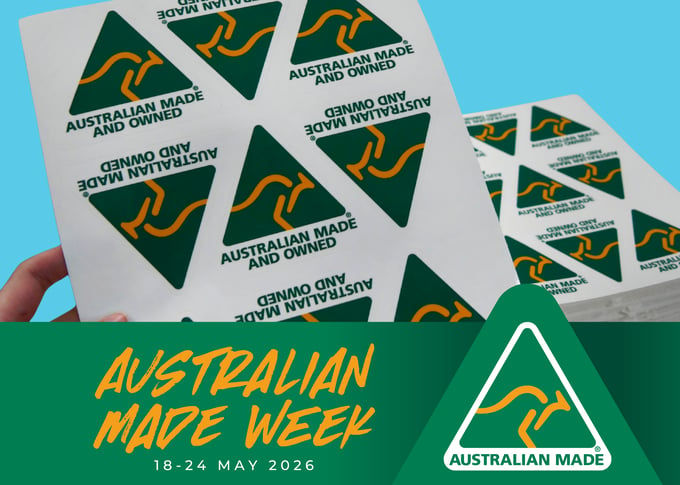
Australian Made Week (18-24 May) once again shone a spotlight on local manufacturing, encouraging Australians to back the businesses behind the trusted green-and-gold kangaroo logo. The campaign comes at an important time for Australian manufacturing. According to the Reserve Bank of Australia, manufacturing accounted for 5.7% of national output as of May 2026. Businesses across the sector continue to face challenges including rising energy costs, weaker spending conditions, and increasing material and transport expenses. Every Australian Made purchase helps support local jobs, investment, and the long-term strength of Australian industry.
Supply Chain and Material Constraints
Supply chain pressures haven't disappeared. Ongoing geopolitical tensions in the Middle East continue to influence resin pricing, freight costs, and material availability across global markets (Source: Packaging News). While we haven't experienced any direct disruption at Cohesion Labels and continue to operate as a stable link in our customers' supply chains, uncertainty around material availability and pricing remains a key concern across the broader manufacturing sector.
Soft Plastic Recycling Expands
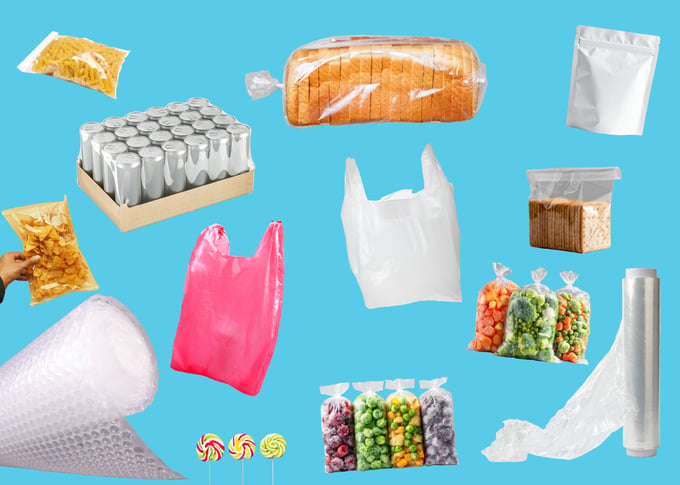
As of May 2026, Australia's soft plastic recycling efforts continue to gather momentum, with collection points now available in more than 700 Woolworths stores across five states. Scrunched-up bread bags and plastic wrappers? These can be dropped off at the supermarket collection points, allowing shoppers to return clean and dry soft plastics.
Since the initial trial launched in Victoria in 2024, more than 40 million pieces of soft plastic have been collected and processed into new products, including wall panelling and Woolworths' own bread bags made from 30 per cent recycled content. This expansion is a positive step for Australia's circular economy and improves access to soft plastic recycling at scale.
Packaging Innovation
The search for alternative fibre sources continues as brands look for new ways to reduce reliance on traditional raw materials and improve circularity outcomes. One area gaining attention is the use of agricultural waste to create fibre for paper, board, and moulded packaging applications. While still in early-stage commercialisation, these developments signal a longer-term shift toward diversified, lower-impact material streams that could complement existing recycled content and fibre-based packaging strategies. It reflects a broader change in how the industry is approaching materials, waste, and design.
Health Star Ratings Under Review
Food Standards Australia New Zealand (FSANZ) is reviewing Proposal P1067, which could move the Health Star Rating (HSR) system from voluntary adoption to mandatory requirements. The move follows direction from the February 2026 Food Ministers' Meeting and reflects ongoing concerns that voluntary uptake has not met expected benchmarks. If implemented, manufacturers would need to ensure consistent HSR calculations and update labelling across product ranges. The proposal is still in consultation, therefore an outcome is likely at least 12 to 18 months away, pending FSANZ assessment and approval by Food Ministers. For more information visit Food & Drink Business or the FSANZ website.

GS1 Compliance Expansion
GS1 Australia, together with global scanning providers Datalogic, Honeywell, Newland AIDC and Zebra Technologies, has confirmed the retail scanning ecosystem is ready for the transition to next generation 2D barcodes at point of sale from 2027. This change will strengthen GS1 compliance across Australia's supply chain. Unlike traditional barcodes, 2D barcodes can carry significantly more information. For customers, this means access to richer product data, such as ingredients, allergens, expiry dates and sustainability information. The move is expected to strengthen traceability, increase recall speed, improve stock accuracy and reduce waste throughout the supply chain, ultimately supporting a more transparent and efficient retail experience.
Summary
From evolving compliance requirements to supply chain uncertainty and sustainability innovation, the pace of change across the packaging sector shows no signs of slowing down. For manufacturers, staying informed and remaining adaptable will be key in navigating future challenges while continuing to meet customer and regulatory expectations.

References
Australian Government Department of Health and Aged Care. (2026, April 27). Partnership Reformulation Program. Australian Government Department of Health and Aged Care. https://www.health.gov.au/our-work/healthy-food-partnership/partnership-reformulation-program
Australian Medical Association. (2026, April 30). Sugar tax needed to tackle Australia's worsening obesity crisis. AMA. https://www.ama.com.au/media/sugar-tax-needed-tackle-australias-worsening-obesity-crisis
Beltran, K. (2026, May 12). Manufacturing revenue and profitability slump as global conflict pressures sector, report says. Australian Manufacturing. https://www.australianmanufacturing.com.au/manufacturing-revenue-and-profitability-slump-as-global-conflict-pressures-sector-report-says/
Berry, K. (2026, May 12). Mandatory health star rating under review. Food & Drink Business. https://www.foodanddrinkbusiness.com.au/news/mandatory-health-star-rating-under-review
Food Technology & Manufacturing. (2026, April 20). Scanning providers unite to help accelerate shift to next-gen barcodes. Foodprocessing.com.au. https://www.foodprocessing.com.au/content/packaging-labelling-coding/news/scanning-providers-unite-to-help-accelerate-shift-to-next-gen-barcodes-464253500
Hedgman, A. (2026, May 10). Soft plastics recycling returns to more than 700 Woolworths stores across five states. News.com.au. https://www.news.com.au/national/soft-plastics-recycling-returns-to-more-than-700-woolworths-stores-across-five-states/news-story/89b5c665be36c73ac7faf0c614d096c1
Hughson, L. (2026, April 29). From plantation waste to packaging pulp. PKN Packaging News. https://www.packagingnews.com.au/latest/from-plantation-waste-to-packaging-pulp
Hughson, L. (2026, April 30). Resin crisis deepens as supply risks escalate. PKN Packaging News. https://www.packagingnews.com.au/latest/resin-crisis-deepens-as-supply-risks-escalate
RBA. (2026, May 7). Composition of the Australian Economy Snapshot. Reserve Bank of Australia. https://www.rba.gov.au/education/resources/snapshots/economy-composition-snapshot/
A snapshot of key trends shaping Australia’s labelling and packaging industry in 2026, covering food safety, sustainability, digital innovation and...
We're proud to be the label supplier of choice for some of Australia's most iconic industrial manufacturers!
Western Australia has now joined many fellow Aussie states in implementing a container deposit scheme, as of the 1st of October 2020.