In Case You Missed It | News Recap (April-June)
A snapshot of the key developments influencing Australia's packaging and manufacturing sector, from regulatory changes and supply chain pressures to...
A snapshot of key trends shaping Australia’s labelling and packaging industry in 2026, covering food safety, sustainability, digital innovation and consumer behaviour.
The start to the year has already delivered several important developments across the Australian labelling and packaging landscape. Here's a snapshot of what's been shaping the industry so far this year.
Food Safety and Compliance
The Food Standards Australia New Zealand (FSANZ) has issued food recall alerts, with a number of products withdrawn due to undeclared allergens, contamination, foreign matter, and packaging faults. These recalls reinforce the importance of accurate labelling and clear traceability across the supply chain. It is vital for businesses to regularly review ingredient declarations and quality controls to reduce risk and protect consumers. For more information, please visit the FSANZ website.
Consumer Behaviour is Changing
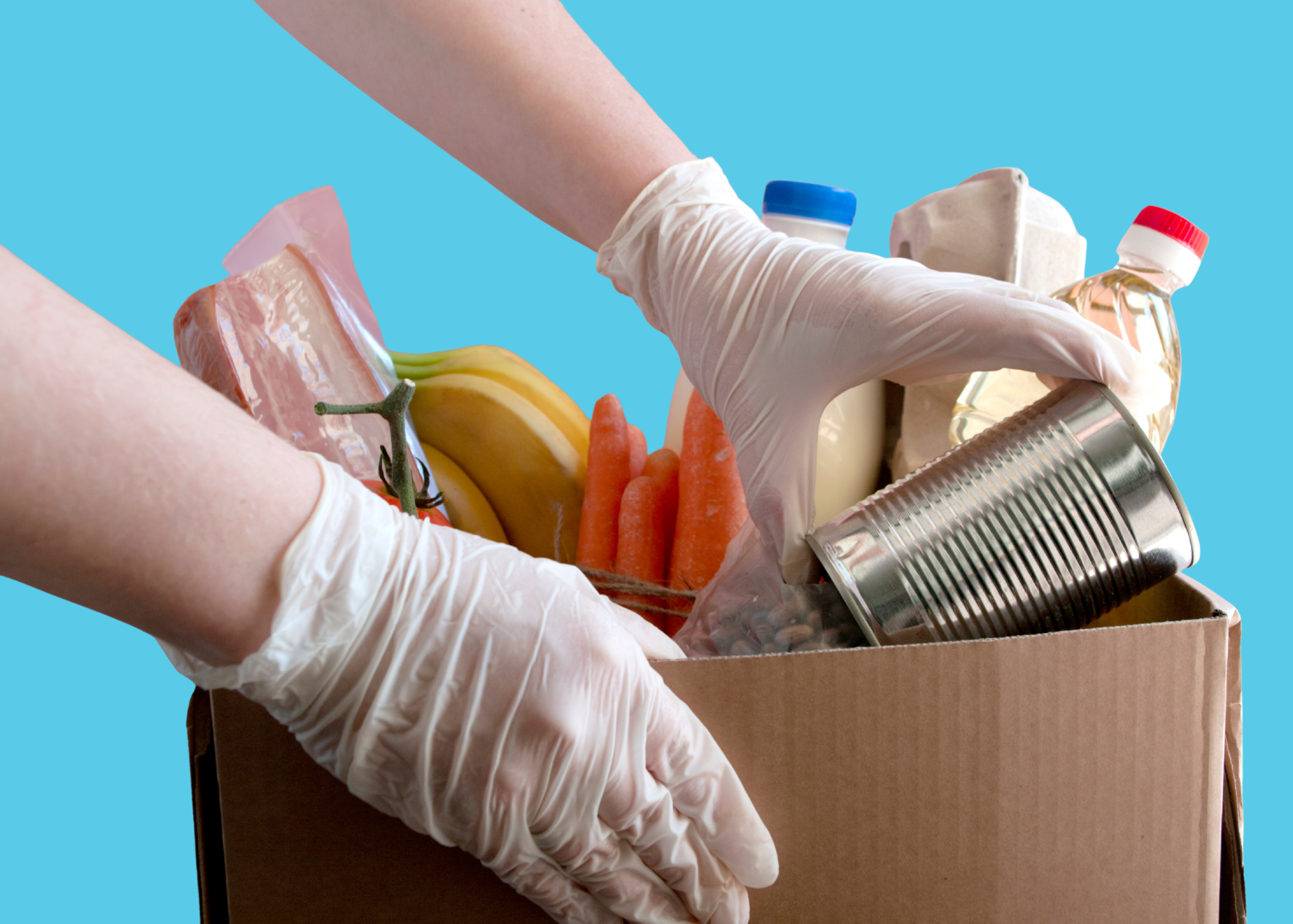
Australian shoppers are increasingly spreading their spending across multiple retailers, with four in five Australians now shopping at more than one retailer each month, according to Food & Drink Business (research findings from NielsenIQ). Driven by rising cost-of-living pressures, consumers are comparing prices more closely, seeking better deals, and prioritising product availability and convenience. At the same time, many are turning to store-brand products and waiting for sales, placing greater emphasis on how brands appear on the shelf, with labelling becoming a key touchpoint for trust, value, and differentiation (Source: Bazaarvoice).
The Rise of Private-Label Products
Private-label products continue to gain momentum as retailers expand their own ranges. Once seen as lower-cost alternatives, these products are now competing on quality, innovation, and shelf appeal. As private-label ranges grow and mature, national brands are under increasing pressure to clearly articulate what sets them apart, with packaging and labelling playing a central role in communicating value at the point of purchase.

Sustainability Challenges
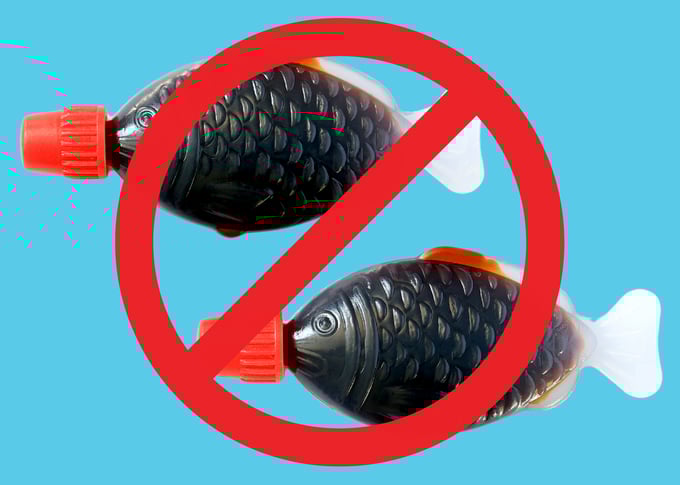
Australia's plastic packaging system continues to face significant challenges that could lead to severe consequences in future decades, with large volumes still being sent to landfill and limited demand for recycled materials. Australian-made recycled plastic can cost up to 50% more than imported virgin plastic, according to the Australian Council of Recycling (ACOR), placing strain on the domestic recycling industry and raising concerns about long-term environmental impact. Industry bodies are calling for mandatory packaging reform, including Extended Producer Responsibility (EPR) schemes, while governments are tightening restrictions on hard-to-recycle, single-use plastics — we are looking at you little fish, soy sauce bottles — as more items are phased out entirely.
The Shift Towards Digital
As we explored in our blog article, Labelling Trends for 2026, design and technology directions such as Quick Response (QR) codes, Augmented Reality (AR), and Smart Technology are set to shape the future of industry. With increasing disclosure requirements, brands are exploring digital solutions such as QR codes, 2D barcodes, and AR to deliver more information beyond the physical label. While fully labelless products may still be some way off for many categories, digital labelling solutions are gaining traction as brands look to balance compliance, sustainability, and space constraints while enhancing how consumers interact with products.
Front-of-Pack Labelling in Focus
There is renewed pressure for Health Star Rating (HSR) systems on food products to become mandatory, following concerns the voluntary system has not been effective. Food Standards Australia New Zealand (FSANZ) is developing a mandatory standard to create a more consistent and transparent approach to nutritional labelling, helping consumers make more informed decisions. Suggestions to introduce more obvious labels on unhealthy foods, similar to plain packaging (featuring graphic images of tobacco-induced cancers) on cigarette packs, are also being considered. For more information, visit the Australian Government Department of Health, Disability and Ageing.
Summary
All together, these developments are a reminder that labelling continues to sit at the centre of compliance, trust and brand perception. As the year progresses, staying across regulatory changes, evolving consumer behaviour, and sustainability pressures will be essential for businesses navigating an increasingly complex and ever-changing market.
.png?width=279&height=157&name=Untitled%20design%20(3).png)
References
Berry, K. (2023, August 3). Report: Inflation rapidly changing shopping trends. Food & Drink Business. https://www.foodanddrinkbusiness.com.au/news/report-inflation-rapidly-changing-shopping-trends
Berry, K. (2025, October 30). POY dominated by Woolies, Coles. Food & Drink Business. https://www.foodanddrinkbusiness.com.au/news/poy-dominated-by-woolies-coles
Dabo, M. (2026, January 18). National packaging reform seeks consistency across Australia. Packaging Gateway. https://www.packaging-gateway.com/news/national-packaging-reform-seeks-consistency-across-australia/
Federal Government to Push for Mandatory Health Star Ratings on Food Products. (2026, February 11). Australian Government Department of Health, Disability and Ageing. https://www.health.gov.au/ministers/the-hon-rebecca-white-mp/media/federal-government-to-push-for-mandatory-health-star-ratings-on-food-products
Loesche, K. (2025, December 25). Australia ramps up bans on hard‑to-recycle items with sweeping rules by 2026. 7NEWS. https://7news.com.au/news/australia-ramps-up-bans-on-hardto-recycle-items-with-sweeping-rules-by-2026-c-20704926
Man, B., & Maekelburger, B. (2025, September 24). Voice of the Consumer Survey 2025 Cash-strapped, health conscious and tech savvy: Meeting the changing needs of Australian consumers. PwC Australia. https://www.pwc.com.au/retail-consumer-markets/voice-of-the-consumer-survey.html
Micallef, C. (2024, October 31). “Cross-shopping” trend taking over Australia. Yahoo Finance; Yahoo. https://au.finance.yahoo.com/news/trend-taking-over-aussie-shoppers-233433767.html
Palaparti, S. (2025, May 20). Australian consumer behavior reveals 72% of shoppers prefer store brands. The Bazaar Voice. https://www.bazaarvoice.com/blog/australian-consumer-behavior-reveals-72-of-shoppers-prefer-store-brands/
Rennie Advisory. (2025). Securing Australia’s Plastic Packaging Recycling Future, report prepared for Australian Council of Recycling. In Australian Council of Recycling (ACOR). https://acor.org.au/wp-content/uploads/2025/12/Securing-Australias-Plastic-Recycling-Future-Report.pdf
Skidmore, M. (2025, December 19). NSW to ban more plastic items from 2026. Time out Sydney; Time Out. https://www.timeout.com/sydney/news/plastic-bread-tags-and-soy-sauce-fish-to-be-banned-in-nsw-from-2026-121925
Slim cans, smarter wraps: Food packaging gets a reboot. (2026, January 20). ANZ. https://www.anz.com.au/newsroom/media/2026/January/anz-food-for-thought-summer-food-packaging/
Western Australia’s Plan for Plastics. (2026, February 20). Western Australian Government. https://www.wa.gov.au/organisation/department-of-water-and-environmental-regulation/western-australias-plan-plastics
A snapshot of the key developments influencing Australia's packaging and manufacturing sector, from regulatory changes and supply chain pressures to...
We're proud to be the label supplier of choice for some of Australia's most iconic industrial manufacturers!
Western Australia has now joined many fellow Aussie states in implementing a container deposit scheme, as of the 1st of October 2020.